 Clearwater Window
 Why Coachman Ridge Roofs Wear Out Faster Than the Warranty Sticker Suggests
A roof in Coachman Ridge doesn't fail the way a roof does in a mild climate. Here in Clearwater, Pinellas County, a roof is fighting four things at once, every single year: hurricane-force wind events that test every fastener and seam, near-constant intense UV that bakes shingles and breaks down sealants, wind-driven rain that gets pushed sideways under flashing that would stay dry anywhere else, and salt-laden air drifting in off the Gulf that accelerates corrosion on anything metal. None of these are occasional stresses — they're the baseline. A roofing system that's rated for "normal" weather and installed with shortcuts will show its age in Coachman Ridge years before the manufacturer's paper warranty says it should.
That's the lens we use on every replacement in this neighborhood: not "will this look right on day one," but "will this still be doing its job in year twelve, after a dozen summer storm seasons and a few real wind events."
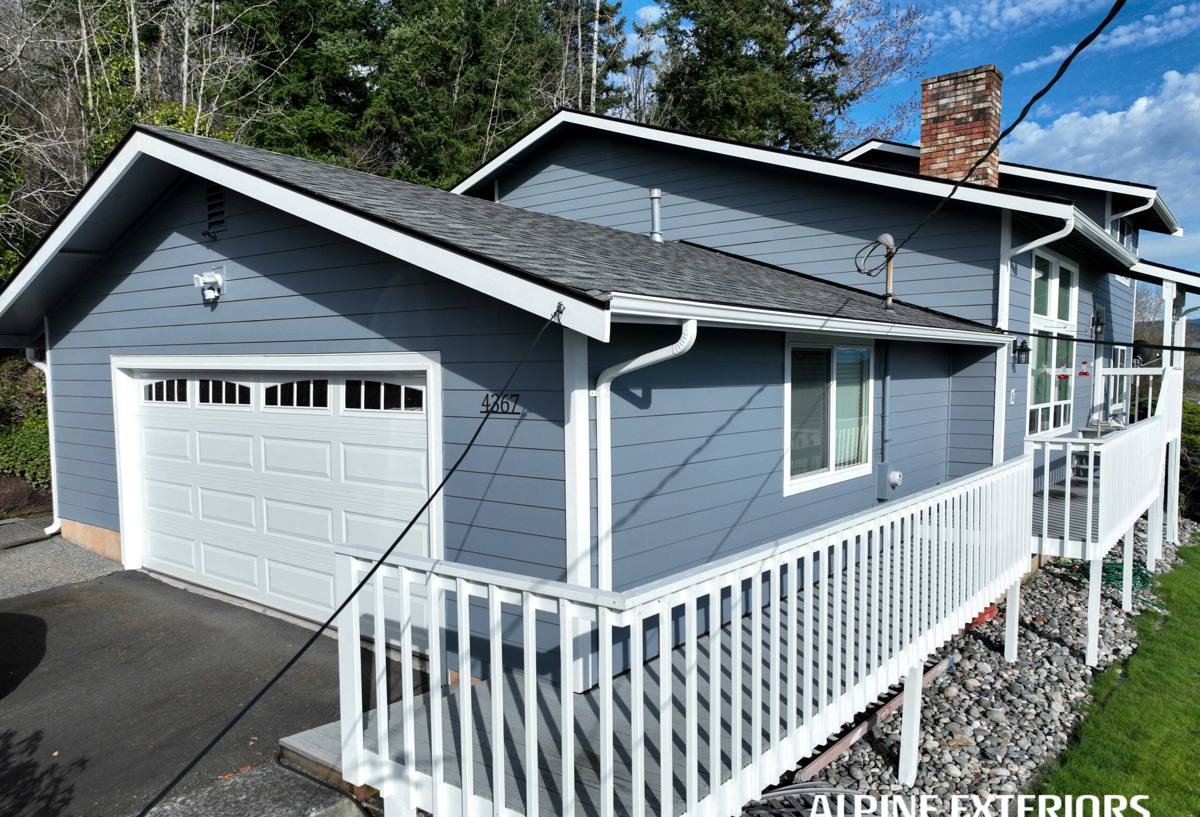
Repair or Replace? How to Tell the Difference
Not every roof problem in Coachman Ridge means a full replacement. A cracked pipe boot, a handful of lifted shingles after a storm, or a small flashing leak can often be repaired. But repairs only make sense when the roof underneath is still sound. Patching a roof that's structurally tired just moves the next leak somewhere else.
Signs You're Past the Point of Patching
- Granule loss heavy enough that you're finding grit in the gutters regularly, not just after a storm
- Shingles that are curling, cupping, or brittle to the touch — a sign UV has broken down the asphalt
- More than one leak location, or a leak that keeps returning after being patched
- Visible sagging anywhere on the roofline, which points to deck or structural issues, not just surface wear
- Soft spots underfoot during inspection, indicating the decking itself has taken on moisture
- A roof nearing or past the upper end of its expected service life for its material type
- Rising insurance premiums or a carrier flagging the roof's age during a policy renewal
If your roof is showing one or two of these, a repair may still buy you time. If it's showing several, replacement is usually the more honest recommendation — and the more affordable one over a five-year horizon once you count repeat repair calls.
What a Correct Roof Replacement Actually Involves
"Roof replacement" gets used loosely. A correct one in a coastal wind zone like Clearwater involves more steps than most homeowners realize, and skipping any of them is where future leaks and wind failures come from.
Full Tear-Off, Not a Roof-Over
We remove the existing roofing material down to the deck rather than layering new shingles over old ones. A roof-over traps moisture, hides deck damage, and adds weight without adding strength — and it makes it impossible to properly inspect or repair what's underneath.
Deck Inspection and Repair
Once the old roofing is off, the decking gets inspected board by board. Any wood that's soft, delaminated, or water-stained gets replaced before anything new goes down. This step matters more in a humid coastal climate than almost anywhere else — a hidden weak spot in the deck is where a roof loses its grip in high wind.
Underlayment and Flashing
The underlayment is your roof's real waterproofing layer; the shingles or panels on top are the wear surface. In a wind-driven rain climate, we treat underlayment selection and installation as seriously as the visible material. Flashing around every penetration — vents, chimneys, skylights, wall transitions — gets replaced, not reused, since flashing is where the majority of roof leaks actually start.
Ventilation
Proper attic ventilation keeps heat from building up under the roof deck, which extends the life of the roofing material and helps the rest of the house run more efficiently. It's an easy step to shortcut because it doesn't show from the street, but it's one of the biggest factors in how long a Coachman Ridge roof actually lasts.
Roofing Material Options for Coachman Ridge Homes
There's no single "best" roofing material — the right choice depends on your home's structure, your budget, and how you weigh upfront cost against long-term maintenance. Here's how the common options compare for this climate specifically.
| Material | Wind & Storm Performance | UV / Heat Behavior | Maintenance | Typical Lifespan |
|---|---|---|---|---|
| Architectural asphalt shingle | Good, when rated and installed to current wind standards | Gradual granule loss and embrittlement over time | Low; periodic inspection | 15–25 years |
| Standing seam metal | Excellent wind uplift resistance with proper fastening | Reflects heat well; coating can chalk over decades | Low; watch fastener and coating condition near the coast | 30–50 years |
| Concrete or clay tile | Very good when tiles are properly fastened and battened | Excellent — tile doesn't degrade from UV like asphalt | Moderate; underlayment beneath tile still ages and needs eventual replacement | 30–50 years (underlayment sooner) |
Salt air is a factor with any metal component, including flashing, fasteners, and metal roofing itself — we spec corrosion-resistant hardware for every material on this list, since Coachman Ridge is close enough to the Gulf that standard fasteners will underperform.
Florida Building Code, Wind Ratings, and Insurance
Roofing work in Pinellas County is governed by the Florida Building Code's wind-borne debris and uplift requirements, and permits are required for a full replacement — this isn't optional paperwork, it's what confirms the work meets the standard your home actually needs to withstand seasonal wind events. A permitted, code-compliant replacement also sets you up for a wind mitigation inspection afterward, which can lower your homeowners insurance premium by documenting features like a properly strapped roof deck, secondary water barrier, and code-rated roof covering.
We handle permitting as part of the job and make sure the completed work is documented in a way that supports your wind mitigation paperwork — that documentation is worth real money over the life of your policy, and it's easy to lose if a contractor doesn't file correctly.
Our Roof Replacement Process
- On-site inspection and honest assessment — we look at the whole roof system, not just the visible surface, and tell you plainly whether you need a repair or a replacement.
- Material selection and written estimate — we walk through the options above based on your home, your budget, and how long you plan to stay in it.
- Permitting — pulled through Clearwater/Pinellas County before work begins.
- Tear-off and deck inspection — old roofing removed, deck checked and repaired as needed.
- Underlayment, flashing, and ventilation installed — the parts of the job that determine whether the roof actually performs in a storm.
- New roofing material installed to the manufacturer's wind-rated specifications.
- Final inspection and cleanup — code inspection completed, site cleared, and wind mitigation documentation provided.
What Roof Replacement Cost Depends On
Every roof is priced individually, but the same handful of factors drive most of the cost difference between two houses of similar size.
| Factor | Why It Matters |
|---|---|
| Roof size and pitch | Steeper roofs take longer to work safely and use more material per square foot of coverage |
| Material choice | Asphalt shingle, metal, and tile carry different material and labor costs |
| Deck condition | Rotted or delaminated decking found during tear-off adds material and labor to replace it properly |
| Layers being removed | A roof with multiple existing layers takes more time and disposal cost to strip |
| Roof complexity | Valleys, dormers, chimneys, and skylights each add flashing work and labor |
| Access | Fencing, landscaping, or tight lot lines can affect equipment staging and cleanup |
We break these out in your written estimate so you understand exactly what's driving the price — not just a single lump-sum number.
Why Working With a Crew That Already Knows Coachman Ridge Matters
A roofing crew that regularly works in Coachman Ridge and the surrounding Clearwater area knows the local permitting process at the county level, understands how homes in established Pinellas County neighborhoods are typically built, and can move quickly when storm season creates a backlog of inspections and material demand. That local familiarity shows up in fewer surprises during the permitting process and a faster path from estimate to a finished, inspected roof — which matters when you're trying to get work done before, or scheduled around, hurricane season.
It also means we're not disappearing after the job is done. A local crew has a reputation in the neighborhood to maintain, and we treat warranty callbacks and follow-up questions as part of the job, not an inconvenience.
Questions to Ask Before You Hire a Roofing Contractor
- Are you licensed to do roofing work in Florida, and can I verify that license?
- Do you carry liability insurance and workers' compensation coverage?
- Will you pull the permit yourselves, and is that included in the estimate?
- Does the estimate specify the underlayment, flashing, and ventilation approach — or just the visible shingle or metal?
- What happens if you find deck damage once tear-off starts — is that a change order, and how is it priced?
- Will I get documentation for a wind mitigation inspection after the job is complete?
- What's the manufacturer's warranty, and what's your own workmanship warranty on top of it?
A contractor who answers these clearly and in writing, without hedging, is the one worth hiring. If you're weighing a repair against a full replacement for your Coachman Ridge home, we're happy to take a look and give you a straight answer — reach out for a free, no-pressure estimate using the form below.