 Clearwater Window
 Deck Building in Coachman Ridge, Clearwater
Coachman Ridge sits inland enough from the Gulf to feel a little removed from the coast, but Pinellas County weather doesn't make exceptions for zip code. Homes here still take the full brunt of a Florida summer: high UV exposure nearly year-round, sudden wind-driven downpours, and the kind of humidity that never really lets a deck fully dry out between rains. Add in the salt-laden air that drifts across the whole county on a sea breeze, and you've got a set of conditions that will find every weak point in a poorly built deck within a few seasons.
This page is specifically about building a new deck, or replacing a failing one, for a Coachman Ridge property. We're not going to give you a generic national deck-building overview — we're going to walk through what actually matters when the structure has to survive this particular climate, in this particular neighborhood, built to Pinellas County code.
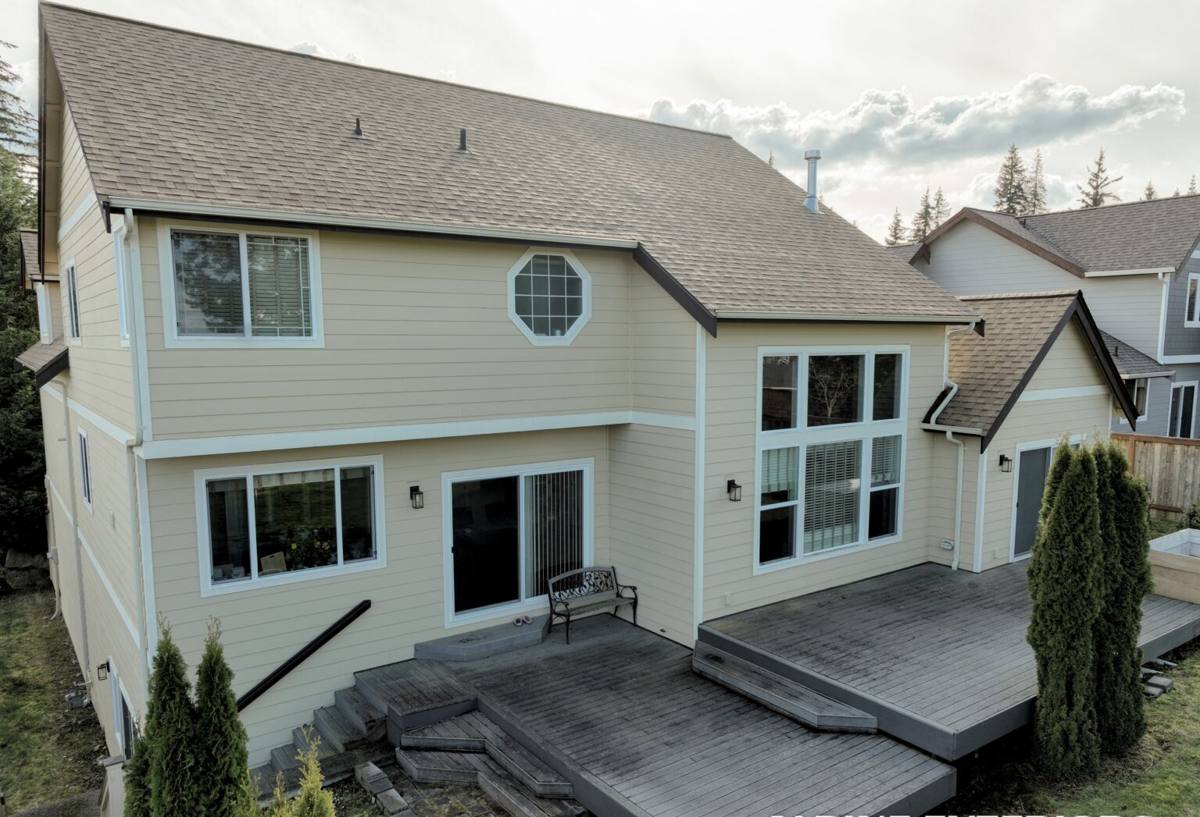
What Clearwater's Climate Actually Does to a Deck
UV and Heat
Florida sun is harder on exterior materials than most homeowners moving from other states expect. Unprotected wood grays and checks (splits along the grain) within a couple of years. Composite decking that isn't UV-stabilized can fade unevenly, especially on a deck with partial shade from trees or the house itself. Dark-colored decking of any kind gets hot enough underfoot in July that it affects how usable the space actually is — that's a design consideration, not just a durability one.
Wind-Driven Rain
Afternoon storms here don't fall straight down. Wind pushes rain sideways and up under rail caps, into end-grain cuts, and into any gap where two boards meet without proper flashing or spacing. A deck built without attention to water shedding will trap moisture in exactly the places you can't see until the rot or corrosion has already set in.
Salt Air and Metal Fasteners
Coachman Ridge isn't beachfront, but Pinellas County as a whole sits in a corrosive air environment. Standard zinc-coated fasteners and brackets that would be fine in a drier inland climate can start corroding here faster than homeowners expect, especially at ground-contact hardware and post bases where moisture sits longest.
Storm-Force Wind Loads
Hurricane season isn't a once-a-decade concern for anyone building outdoor structures in this county — it's a design input. Railings, ledger connections, and post-to-footing hardware all need to be rated and installed for the wind loads Pinellas County code actually requires, not the minimum you'd see in a milder climate.
Choosing Decking Material for This Climate
There's no single "best" decking material — there's a best fit for your budget, your maintenance appetite, and how much direct sun your deck will get. Here's how the common options actually perform under Clearwater conditions:
| Material | Upfront Cost | Maintenance in This Climate | Coastal-Air Durability |
|---|---|---|---|
| Pressure-treated pine | Lowest | Needs sealing/staining every 1-2 years to resist UV graying and moisture checking | Good if maintained; fasteners and hardware need corrosion-resistant coatings |
| Tropical hardwood (e.g. ipe-type species) | High | Periodic oiling to maintain color; very dense wood resists moisture well on its own | Strong, but installation is unforgiving — pre-drilling and proper fastening matter more than with softwood |
| Capped composite | Mid to high | Occasional washing; no staining or sealing | Very good — the cap layer resists UV fade and moisture intrusion better than uncapped composite |
| PVC decking | High | Lowest maintenance of the group | Excellent moisture resistance; runs hotter underfoot in direct sun than lighter-colored composite |
Our standard is to steer homeowners toward capped composite or PVC for full-sun decks and reserve real wood for shaded areas or for owners who specifically want the look and are committed to the upkeep. That's a maintenance-and-moisture judgment call, not a knock on wood as a material — wood decks last for decades here when they're sealed on schedule.
Framing and Structural Details That Matter Here
Footings and Post Bases
Florida's sandy soil drains well but doesn't always compact the way builders in other regions expect, so footing depth and diameter need to match actual soil conditions on your lot, not a generic assumption. Post bases should sit above grade on a standoff bracket so the post end grain never sits in standing water after a storm.
Ledger Attachment
Where a deck attaches to the house is the single most common failure point on decks nationwide, and it's no different here. Proper flashing behind the ledger board keeps wind-driven rain from working its way into the house rim joist — this is a step that's easy to skip and expensive to fix later once rot sets in behind the siding.
Fasteners and Hardware
We spec stainless steel or heavy-duty coated fasteners rated for coastal/corrosive environments, along with hurricane-rated structural connectors at post-to-beam and beam-to-ledger connections. This is a place where cutting corners doesn't show up as a problem until years later.
Permitting and Setbacks
Deck construction in Clearwater requires a building permit, inspection, and compliance with Pinellas County setback and wind-load requirements. If your property is in a flood zone or has HOA design guidelines, those add another layer we account for before framing ever starts.
How We Approach a Deck Build in Coachman Ridge
- Site visit and assessment — we look at sun exposure, drainage, existing structure (if replacing), and how the deck will actually be used before recommending materials or layout.
- Design and material selection — we walk through the tradeoffs in plain terms so you're choosing based on real cost and maintenance information, not a sales pitch.
- Permitting — we handle the permit application and coordinate required inspections with the county.
- Framing — footings, posts, beams, and joists built to code wind-load requirements with corrosion-resistant hardware throughout.
- Decking and railing installation — attention to fastening pattern, board spacing for drainage, and rail cap detailing that sheds water instead of trapping it.
- Final walkthrough — we go over care and maintenance expectations specific to the material you chose before we consider the job done.
Railings and Hardware Built to Last Near the Coast
Railings take more wind load than most homeowners realize, and they're also the part of a deck most exposed to direct sun and rain on all sides. Aluminum and composite railing systems generally outperform painted wood rail here — less repainting, no splitting at the balusters, and better resistance to the coastal air. Where wood railing is preferred for appearance, we use hardware and fastening details that account for the extra moisture exposure at that height.
What a Correct Deck Build Includes
If you're comparing quotes, here's what should be included regardless of who builds it — if any of these are missing from a bid, ask why:
- Engineered footing sizing based on actual soil and load conditions, not a flat assumption
- Flashed ledger attachment where the deck meets the house
- Stainless or coastal-rated fasteners and structural connectors throughout
- Post bases elevated off grade with proper drainage
- Board spacing and layout that allows water to shed rather than pool
- A permit pulled and inspections completed, not skipped
- A written maintenance plan matched to the decking material you chose
Maintenance Expectations After the Build
Every deck needs some upkeep in this climate — the difference between materials is how much and how often:
- Pressure-treated wood: Clean and inspect annually; reseal or stain every 1-2 years depending on sun exposure.
- Tropical hardwood: Periodic oiling to maintain color; otherwise low structural maintenance due to the wood's natural density.
- Capped composite: Routine washing to prevent surface buildup; no sealing or staining required.
- PVC: Lowest maintenance overall; occasional cleaning is typically all that's needed.
- All materials: Check fastener and hardware condition after major storms, and keep gutters and nearby drainage clear so water isn't pooling near footings.
Why Local Experience in Coachman Ridge Matters
A deck built to a generic national spec sheet isn't the same as one built by a crew that already knows how Pinellas County inspectors review footing and ledger details, how the soil in this part of Clearwater behaves, and how fast an unsealed board actually degrades under real Gulf Coast sun. That local knowledge shows up in fewer surprises during inspection and a deck that's still solid well past the point a corner-cut build would be showing problems.
If you're planning a new deck or need to replace one that's past its prime, we'd be glad to take a look and put together a straightforward, no-pressure estimate — just fill out the form below.