 Clearwater Window
 Why Belleair Bluffs Siding Takes a Beating
Belleair Bluffs sits up on elevated ground overlooking the Intracoastal Waterway, and that higher, more open position means homes here catch more direct wind and salt-laden air than properties tucked further inland. Add in Pinellas County's intense year-round sun, the wind-driven rain that comes with every strong Gulf storm, and the corrosive effect of salt air on fasteners and finishes, and you have a climate that is genuinely hard on exterior siding. This isn't a problem unique to older homes, either — even well-built siding systems show wear faster here than they would in a drier, calmer part of the country.
Siding repair in this area isn't just about patching what looks bad. It's about understanding which damage is cosmetic, which is a warning sign of something happening behind the panels, and which requires a professional's judgment to sort out. That's the focus of this page: what siding repair actually looks like for a Belleair Bluffs home, and why the details matter more here than almost anywhere else in the state.
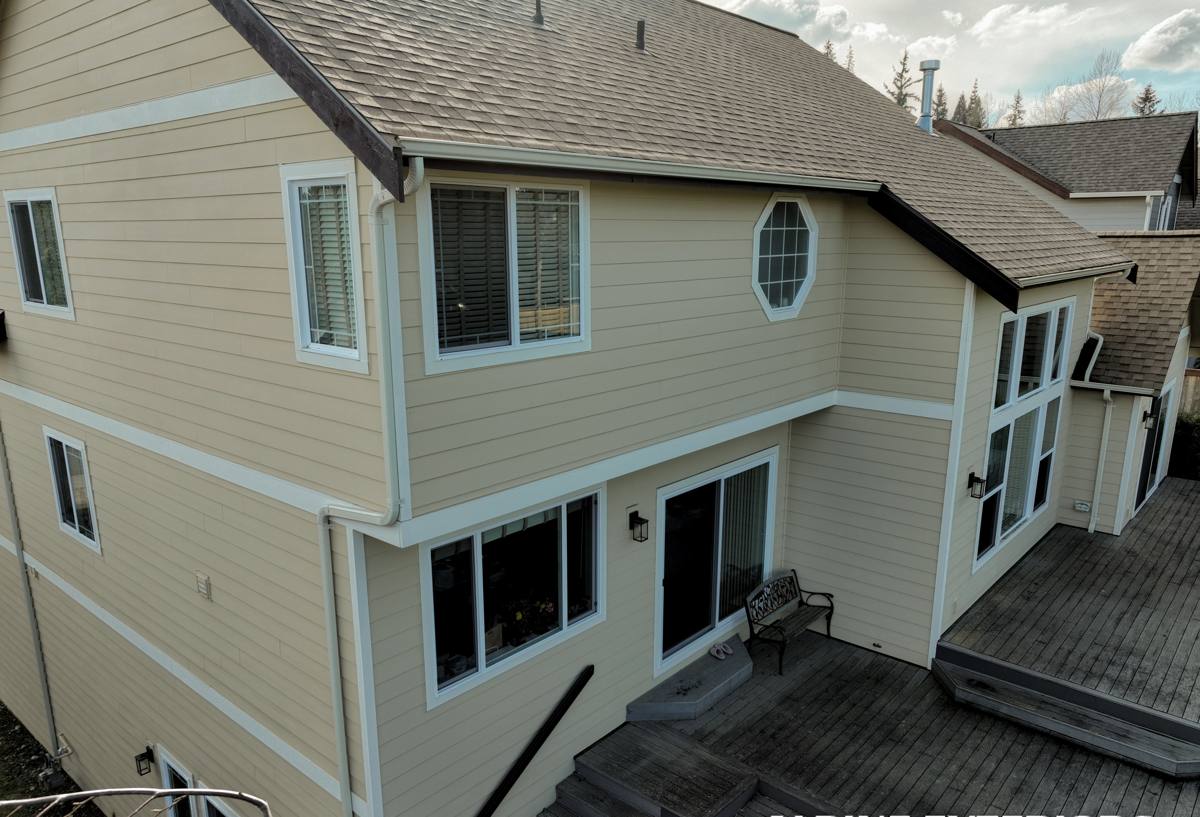
Signs Your Siding Needs Repair
Most siding problems don't show up all at once. They start small — a loose corner, a hairline crack, a patch of paint that won't hold — and get worse every storm season they go unaddressed. Homeowners in Belleair Bluffs should watch for:
- Cracked, chipped, or split siding panels, especially near corners and window trim
- Warping, buckling, or panels that no longer sit flush against the wall
- Soft or spongy spots when pressed, which usually mean moisture has gotten in behind the surface
- Paint that's peeling, bubbling, or fading unevenly across a wall
- Visible gaps at seams, corners, or around windows and doors
- Rust streaks running down from nail heads or trim fasteners
- A musty smell or discoloration on interior walls that back up to exterior siding
- Missing or loose sections after a storm, even if the rest of the wall looks fine
Any one of these on its own might be minor. Several together, or damage concentrated on the side of the house that faces prevailing wind and rain, usually means it's time for a professional look rather than a DIY patch.
What's Really Damaging Your Siding
Wind and Storm Impact
Hurricane-force and tropical-storm-force winds don't just rattle siding — they flex it, pry at loose fasteners, and drive debris into panels hard enough to crack or puncture them. Even wind gusts well below hurricane strength, repeated over years, gradually loosen fastening systems that were installed to a lower standard.
UV and Heat Cycling
Florida sun is intense and constant. Siding faces year-round UV exposure that breaks down paint binders, fades color, and dries out caulking and sealants far faster than in most other climates. Repeated daily heat cycling — hot afternoons followed by cooler evenings — also stresses the material itself and any adhesives or fasteners holding it in place.
Wind-Driven Rain and Moisture Intrusion
Ordinary rain falls straight down. Wind-driven rain during Gulf storms comes in sideways, working its way behind panels, under trim, and through any gap that wouldn't normally let water in. Once moisture gets behind siding, it can sit against sheathing and framing for weeks, causing rot and mold long before any exterior sign appears.
Salt Air Corrosion
Being close to open water means a steady, low-level exposure to salt in the air, even on calm days. Salt accelerates corrosion on metal fasteners, flashing, and trim, and it can also degrade certain paint and coating systems faster than inland exposure would. Over time, this is often what separates siding that lasts decades from siding that needs constant attention.
Repair or Replace? How We Make the Call
Not every damaged section needs to come off the house. But patching the wrong kind of damage — or patching it with the wrong approach — just delays a bigger problem. Here's generally how the decision breaks down:
| Factor | Usually Repairable | Usually Needs Replacement |
|---|---|---|
| Damage extent | Isolated to one or two panels or a small section | Spread across a wall or multiple elevations |
| Moisture behind siding | None found on inspection | Soft sheathing, rot, or mold present |
| Cause | Impact damage, a failed seam, a storm-loosened panel | Long-term water intrusion or systemic fastener failure |
| Material condition | Surrounding siding is sound and can be color-matched | Surrounding siding is aging out or discontinued |
| Underlying material | Fiber cement with accessible, matchable stock | Deteriorated wood, warped vinyl, or failing older products |
We won't recommend a full replacement when a targeted repair will genuinely hold up — that's not honest, and it's not how we want to run a business in a community where we hope to be called back for the next job too. But we also won't patch over damage that's going to fail again in the next storm season.
What a Correct Siding Repair Involves
A repair that actually lasts starts before anyone touches the visible siding. The steps that separate a proper repair from a quick cosmetic fix include:
- Inspecting behind the damaged panel, not just the surface, to check for moisture, rot, or compromised sheathing
- Confirming the source of the damage — wind, impact, water intrusion, or fastener failure — so the same problem doesn't repeat
- Removing only what needs to come out, without disturbing sound surrounding material more than necessary
- Replacing or repairing any damaged weather barrier, flashing, or house wrap found underneath
- Matching new material and finish as closely as possible to the existing siding, including reveal and profile
- Fastening to manufacturer wind-load specifications, not just "however the old panel was hung"
- Sealing seams, corners, and penetrations with sealants rated for coastal, high-UV exposure
Skipping any of these steps is how a "repair" turns into a repeat service call twelve or eighteen months later.
Why Material Matters When We Repair
We install James Hardie fiber cement siding exclusively, and that standard shapes how we approach repairs too. When the existing siding on a Belleair Bluffs home is already James Hardie, repairs are usually straightforward — we can match panel profile and use ColorPlus factory-finished product or a properly prepared field-applied match, so the repaired section blends in and performs the same as the rest of the wall.
When the existing siding is a different material — older wood, vinyl, or a lower-grade fiber cement product — we'll still repair it honestly if that's the right call for the homeowner's budget and timeline. But we're straightforward about the trade-offs: vinyl siding can crack or warp with impact and heat and is difficult to color-match once it's faded; wood siding demands ongoing paint and moisture maintenance that's especially punishing in this climate; and lower-grade fiber cement products don't always carry the same engineered moisture management or warranty backing as James Hardie's HZ5 product line, which is specifically engineered for humid, storm-prone climates like ours. When a repair isn't going to hold up long-term because of the underlying material itself, we'll say so, and explain why a full or partial replacement with James Hardie is likely to cost less over time than repeated patch jobs.
Our Repair Process for Belleair Bluffs Homeowners
- A free, on-site inspection where we look at the damaged area and check surrounding sections for related issues
- An honest assessment of whether repair or replacement makes sense, with the reasoning explained plainly
- A written estimate covering material, labor, and timeline before any work begins
- Careful removal of damaged material and inspection of the wall assembly underneath
- Repair or panel replacement using matched material, correct fastening, and coastal-rated sealants
- A final walk-through so you can see and approve the finished work
We don't upsell repairs into full replacements to pad a job, and we don't cut corners on a repair to make it cheap and fast. The goal is a fix that holds up through the next hurricane season, not just through the next inspection.
Why a Crew That Knows Belleair Bluffs Matters
Siding repair here isn't the same job as siding repair in a landlocked state. A crew that regularly works Pinellas County's coastal communities already understands local wind-load expectations, how salt air behaves on different fastener and trim materials, and what kind of sealants and flashing details actually hold up through a full hurricane season rather than just looking finished on installation day. That experience shows up in details a less experienced or out-of-area crew might miss — the right fastener spacing for wind exposure, the right flashing lap at a seam that faces prevailing rain, the judgment call on whether a section that looks fine on the surface needs to come off anyway because of what's likely happening underneath.
It also matters for practical reasons: a local crew can respond faster after a storm, is familiar with the permitting expectations in this part of Pinellas County, and has a reputation in the community to protect — which tends to mean straighter answers about what a home actually needs.
Protecting Your Repair Long-Term
Once a repair is done right, a little routine attention keeps it that way:
- Rinse salt residue off siding periodically, especially after windy stretches off the water
- Walk the exterior after any significant storm and note new cracks, gaps, or loose sections early
- Keep an eye on caulking and sealant joints, which are usually the first thing UV and salt air break down
- Trim back landscaping that keeps siding damp or traps debris against the wall
- Address small damage promptly — a small repair now is almost always cheaper than a bigger one later
If your siding in Belleair Bluffs is showing storm damage, salt wear, or areas that just don't look right anymore, we're happy to take a look and give you a straight answer about what it actually needs. Reach out for a free, no-pressure estimate using the form below.