 Clearwater Window
 Asphalt Shingle Roofing Built for Sunset Point, Not Just Clearwater in General
Sunset Point sits close enough to the water that every roof in the neighborhood is doing double duty: shedding Florida's heaviest downpours while standing up to salt-laden air that never really lets up. A shingle roof that would hold up fine forty miles inland can wear out years early here if it wasn't installed with this specific stretch of Pinellas County in mind. This page is about that one job, done right, in this one area.
We're not going to give you a generic rundown of asphalt shingles. We're going to walk through what actually matters when you're roofing a home near Sunset Point: the wind uplift resistance your shingles and fasteners need, the underlayment and flashing details that keep wind-driven rain out, and the maintenance rhythm that salt air and constant UV exposure demand.
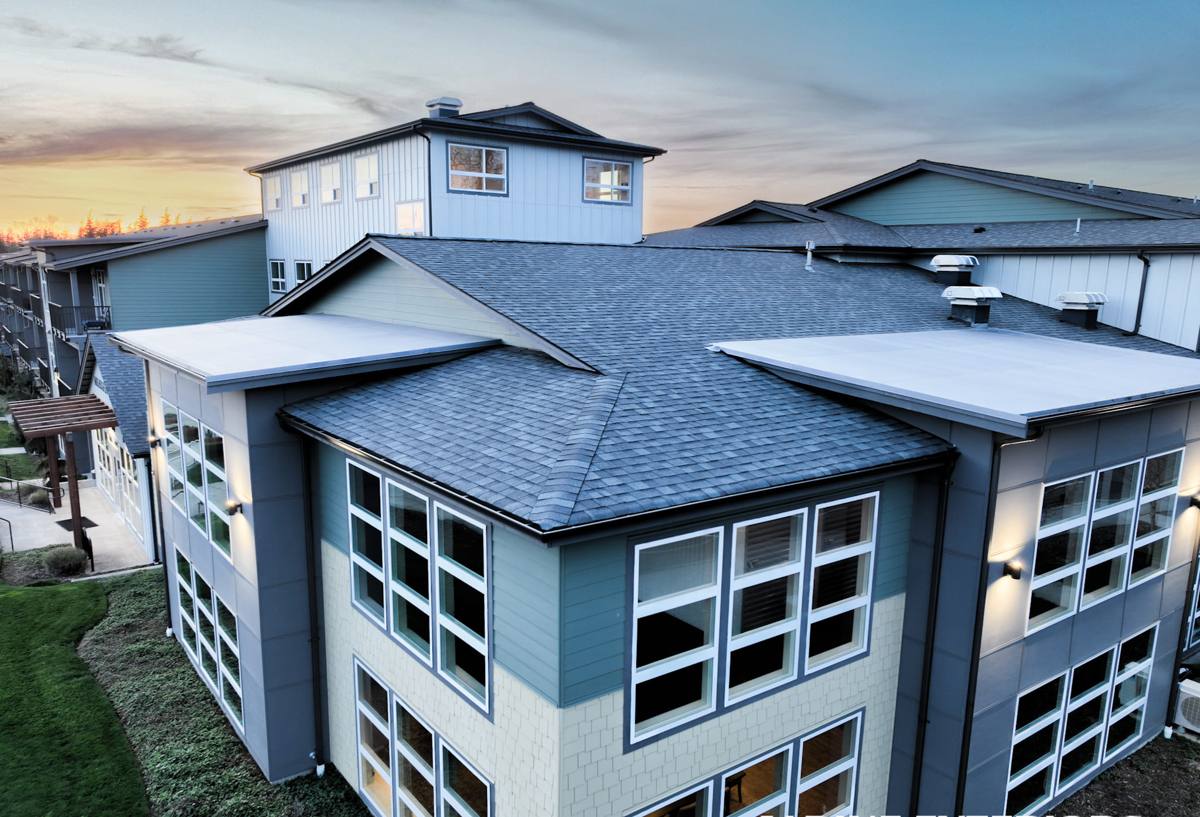
What Clearwater's Climate Actually Does to a Shingle Roof
Hurricane-Force Wind
Pinellas County sits in a wind zone that regularly sees tropical storm and hurricane-force gusts. Asphalt shingles fail in wind almost always at the edges first — the starter course, the rakes, the ridge caps — because that's where uplift pressure concentrates. A roof that looks fine from the street can still have marginal nailing that only shows itself the first time a real storm rolls through.
Year-Round UV
Florida sun doesn't take a season off. Constant UV exposure breaks down the asphalt binders in shingles over time, which is what eventually shows up as granule loss, brittleness, and curling at the tabs. Homes near Sunset Point with full sun exposure and little tree cover tend to see this aging happen faster than the shingle manufacturer's lab testing might suggest.
Wind-Driven Rain
It's rarely straight-down rain that causes leaks here — it's rain being pushed sideways and up under shingle tabs during a squall. That's a underlayment and flashing problem as much as a shingle problem, which is why we treat those details as the actual backbone of the job, not an afterthought.
Salt Air
Being close to the coast means airborne salt settles on every exposed surface, including roof metal. Flashing, drip edge, nail heads, and vent stacks made from lower-grade or unprotected metal corrode faster in this environment than they would inland. Fastener and flashing material choice matters more here than most homeowners realize.
What a Correct Install Looks Like Here
A shingle roof is a system, not a single product. Skimping on any one layer undermines the whole thing, especially under Sunset Point's conditions.
- Deck inspection and repair — soft, delaminated, or water-stained decking gets replaced before anything goes down over it, not covered up.
- Self-adhering underlayment at eaves and valleys — the wind-driven rain zones get a sealed, self-adhering membrane, not just standard felt.
- Synthetic underlayment across the field — more tear- and wind-resistant than old-style felt during the install itself, and it holds up better long-term.
- Corrosion-resistant drip edge and flashing — metal that's rated to handle salt air exposure at valleys, walls, chimneys, and roof-to-wall transitions.
- Proper nailing pattern and fastener count — matched to the local wind zone requirement, not just the shingle manufacturer's minimum.
- Balanced attic ventilation — intake and exhaust that lets heat and moisture escape, which protects both the shingles from below and the deck from trapped humidity.
Every one of those steps is inspectable. If a contractor can't clearly explain their underlayment, flashing, and nailing plan before they start, that's worth asking about before you sign anything.
Signs a Sunset Point Roof Needs a Closer Look
Most roof failures don't happen all at once — they show warning signs first. Here's what we tell homeowners in this area to watch for:
- Granules collecting in gutters or at downspout outlets after rain
- Shingle tabs that look curled, cupped, or lifted at the edges
- Dark streaking or staining that doesn't wash off with rain
- Soft spots underfoot if you're ever on the roof for another reason
- Visible daylight or water stains in the attic near the roof deck
- Missing or torn shingles after any significant wind event, even minor ones
- Rusting or lifting flashing around vents, chimneys, or wall transitions
Any one of these on its own isn't necessarily an emergency, but it's worth a professional look before the next storm season rather than after a leak shows up on your ceiling.
Our Process, Start to Finish
- On-site inspection. We look at the shingles, flashing, decking condition (where visible), and attic ventilation, and walk you through what we find in plain terms.
- Written scope and estimate. You get a clear breakdown of materials, labor, and what the job includes — no vague allowances that turn into surprise add-ons later.
- Permitting. Pinellas County and City of Clearwater roofing work requires a permit and inspection. We handle that paperwork so you don't have to chase it down.
- Tear-off and deck check. Old roofing comes off down to the deck, and any damaged sheathing gets identified and addressed before new materials go down.
- Underlayment and flashing install. This is where the leak protection actually comes from, and we don't rush it.
- Shingle installation. Installed to the nailing pattern and wind rating appropriate for this area, not just a generic default.
- Cleanup and magnetic sweep. Job site debris and stray nails get cleared from the yard and driveway before we consider the job done.
- Final walkthrough. We go over the finished roof with you and answer any questions before closing out the permit inspection.
Shingle Options and What Drives the Cost
Asphalt shingles aren't one product — the tier you choose affects wind rating, expected lifespan, and appearance. Here's a general comparison to help frame the conversation with your estimator:
| Shingle Type | Typical Wind Rating | General Lifespan | Best Fit |
|---|---|---|---|
| 3-Tab (Standard) | Lower | Shorter | Budget-conscious jobs, secondary structures |
| Architectural (Laminate) | Higher | Longer | Most Sunset Point homes — the common choice for coastal wind exposure |
| Impact-Resistant Architectural | Highest | Longer, with added impact durability | Homes prioritizing storm resilience and possible insurance premium credits |
Beyond shingle tier, the biggest cost factors on a real Sunset Point job are roof size and pitch, the number of valleys and penetrations (vents, chimneys, skylights), the condition of the existing deck, and whether any structural repair is needed underneath. We'll walk through all of that during the inspection rather than quoting blind off a phone call.
Why It Matters That the Crew Already Works This Neighborhood
A crew that regularly works in and around Sunset Point knows the permitting process with the City of Clearwater and Pinellas County without having to relearn it on your job. They know which wind zone requirements apply, what inspectors typically look for, and how salt air exposure this close to the coast tends to age materials differently than it does even a few miles inland. That familiarity translates into fewer surprises, fewer permit delays, and a roof that's built for the conditions it will actually face — not a generic install dropped in from an out-of-area crew unfamiliar with local code and climate specifics.
Maintenance After the Install
A correctly installed shingle roof still benefits from basic upkeep, especially in a coastal, high-UV environment:
| Task | Recommended Frequency | Why It Matters Here |
|---|---|---|
| Visual roof inspection | 1-2 times per year, plus after major storms | Catches lifted shingles or flashing issues before they become leaks |
| Gutter and downspout cleaning | Seasonally | Clogged gutters can back water up under the eave line during heavy rain |
| Attic ventilation check | Annually | Poor airflow accelerates shingle aging from underneath |
| Flashing and sealant check | Annually | Salt air corrosion and UV breakdown affect sealants faster here than inland |
None of this requires climbing on the roof yourself — a quick visual check from the ground after storms and a professional look once or twice a year covers most of it.
Insurance and Documentation Considerations
Homeowners insurance in coastal Pinellas County increasingly factors in roof age, material, and wind rating when setting premiums. Keeping documentation of your roof's install date, materials used, and any permitted repairs can matter at renewal time or after a storm claim. We provide the paperwork and permit records that go with a properly installed roof so you have that documentation on hand if you ever need it — we're not insurance agents and can't advise on your specific policy, but we make sure the roofing side of the record is complete.
If your Sunset Point roof is showing wear, due for replacement, or you just want an honest opinion on its condition, we're glad to take a look. The estimate is free, there's no pressure, and you'll get a straight answer either way — just fill out the form below to get started.